There are over 1,000 types of parasites that can live in the human body. However, many types of parasites cannot be detected due to the unavailability of accurate diagnostic tools, leading to many parasitic infections being severely under-diagnosed. Parasitic infections should be considered when a specific condition does not respond to typical treatments, or when routine treatments yield unexpected results. When treatments either cause symptom relief or symptoms getting worse, both scenarios can suggest that the patient has a parasitic infection.
When the parasite dies, it releases high amounts of toxins, causing the patient to experience symptoms that exhibit “heat” or inflammation (such as chronic/persistent diarrhea), a phenomenon known as “die-off.” It may occur during the 2nd week of treatment and last 5 days with a peak in symptoms on the 3rd day. Wei Laboratories’ Detocin Formula is recommended to counter the toxicity of the parasite’s die-off effects. Patients can feel very sick even with the use of Detocin. Depending on the type of parasite, other formulas including Brown, LC Balancer, Xcel, Levera, KS, BI, Whitehead and Probiosis are also required. Parsley water is also helpful. Parasites can harbor other bacteria, or mycobacteria, which can be released into the body after the parasite dies. Further recommendations that clear other bacteria may also be required.
Most parasites enter the human body through the gastrointestinal tract, although they can infect through skin contact and inhalation as well. Parasites that enter through the digestive tract are usually found in the bile duct and intestines; the most common bile duct parasites found are liver flukes and biliary ascariasis. Ascariasis, which is a type of roundworm, initially lives in the small intestine but later migrates to the bile duct. The main types of intestinal parasites are helminths and protozoa. The parasites and their waste products can cause inflammation of the intestinal wall, resulting in structural changes that can impair nutrient absorption, cause intestinal ulcers, diarrhea, and/or constipation; food particles may also get stuck in the intestines, resulting in toxin build up, foul flatulence, bad breath, and bloating. When parasites damage the liver and kidneys, the body’s ability to filter out toxins can become greatly diminished, resulting in skin problems, hair loss, nervous system damage, and insomnia. In addition, some “bloodsucking worms” leave open wounds in the intestine resulting in darker feces.
Liver Fluke and Bile Duct Parasite Infection
Liver flukes are parasites that can infect humans and cause liver and bile duct disease. A person may never know they have liver flukes. It is difficult to diagnose the condition because the symptoms are similar to many other conditions. Patients may experience pain in the upper right abdomen when the liver flukes make their way from the intestines to the liver by burrowing through the lining of the liver causing the pain. The bile ducts can become blocked after long periods of time being infected and cause symptoms of pain in the upper right abdomen, nausea, diarrhea, and vomiting. Patients may also experience weight loss, hives, fever and malaise in severe case. Parasitic liver infections can cause high blood sugar and diabetes due to liver damage.
Liver fluke infection occurs through ingestion of fluke-filled fresh-water, or through the consumption of raw fish. The fluke dwells in the bile duct causing dilatation and chronic inflammation, followed by adenomatous hyperplasia and thickening of the bile duct wall. Most liver fluke patients have no symptoms, however when the symptoms do emerge, they are very similar to common digestive tract problems which includes: acute or chronic stomach pain in the upper right quadrant of the abdomen, abdominal pain, diarrhea, nausea or vomiting, gas or bloating, loose stools containing blood and mucus, rash or itchiness around the rectum or vulva, fatigue, and weight loss. These types of parasites can also release neurotoxins, causing emotional and behavioral problems.
Protozoan Infections
Protozoa are single-celled eukaryotic organisms that can be free-living or parasitic. They are one of the most common types of parasites, as well as one of the most diverse; many types of protozoa tend to inhabit the human gastrointestinal tract. Although the majority of these protozoa are non-pathogenic commensals, some can cause severe diseases or chronic conditions. There are two distinct stages in the development of a parasite: the cyst stage and the trophozoite stage. Once the cyst is ingested, it travels to the stomach where the acidic environment induces excystation in the small intestine where trophozoites are released. The pathogenic trophozoites attach to the intestine’s epithelial cells in order to absorb nutrients from the intestinal lumen which causes intestinal damage and digestive symptoms.
Giardiasis is the most common human protozoan infection. Giardiasis is caused by Giardia lamblia which affects the upper part of the small intestine, the duodenum, and jejunum. Around 200 million cases are reported each year. In 90% of cases, patients are asymptomatic; however, symptoms can range from acute or self-resolving diarrhea to chronic poor digestion, malnutrition, and weight loss.
When the cyst excystates to trophozoites, they attach to the epithelial cells of the intestine in order to absorb nutrients. Attachment of trophozoites to the villi could produce irritation or mucosal injury. This leads to structural changes in the villi which cause reduced absorption of folate, vitamin B12, and fat-soluble vitamins including carotene, vitamin A, and vitamin D. Even in asymptomatic cases there are structural changes in the villi. The structural changes also cause a deficiency in digestive enzymes such as lactase which can lead to lactose intolerance that can persist even after the clearance of the parasites.
Acute giardiasis starts with nausea, loss of appetite, and upper gastrointestinal uneasiness followed or accompanied by explosive, watery, foul-smelling diarrhea without blood or mucus. Other symptoms include flatulence, bloating, anorexia, cramps, and foul, sulfuric belching. Acute giardiasis usually resolves spontaneously in 3-4 days; however, the infection can still persist, and patients can be asymptomatic and become cyst passers.
Amebiasis is another common protozoan infection caused by Entamoeba histolytica which affects the large intestine. In the majority of cases, the infection is asymptomatic; however, an estimated 10% of cases lead to amoebic dysentery. The acute symptoms often start with mild diarrhea and lower abdominal pain which can progress to malaise, weight loss, and abdominal pain mimicking acute appendicitis. Diarrhea can progress to frank dysentery with bloody mucus. As opposed to bacterial enteritis, less than 40% of patients will develop a fever. The patient may also develop toxic mega colon. Ingested red blood cells are sometimes seen in the amoeba cell cytoplasm.
Protozoan Infection of the GI, Liver, Kidney
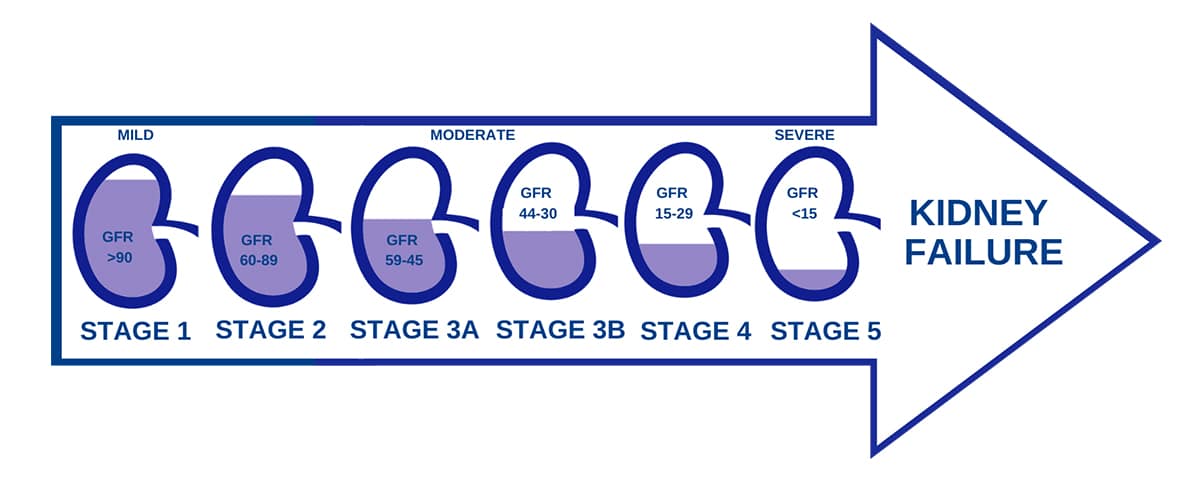
Besides amebiasis, other protozoan species can also cause infections in the GI, liver or kidney which can cause chronic GI/liver or chronic kidney disease (CKD). Parasitic liver infections can cause high blood sugar and diabetes. A high prevalence of parasitic infections has also been found in patients with renal disorders. Protozoan infections from Blastocystis sp., Cryptosporidium spp., and Toxoplasma gondii are the most common parasites in CKD patients. Studies with 173 patients undergoing hemodialysis have found that Blastocystis sp., Cryptosporidium spp., and Toxoplasma gondii infections can be as high as 23.9%, 24.5%, and 56.06%. Some patients also have multiple parasitic infections.
Parasite Infection of the Lungs
Parasitic infections in the lungs can cause chronic lung conditions. Parasitic lung infections by protozoa, nematodes, and trematodes can cause lesions or cysts in the lung. Severe lesions or cysts may mimic tuberculosis and malignancy. Patients may be asymptomatic from the parasitic infection and lung lesions. However, the cysts can cause symptoms by compression of adjacent structures, and patients may experience chest pain, cough, phlegm production, hemoptysis (coughing up blood) or pneumothorax. Patients may also experience fever, wheezing if antigenic material is released from the cyst. The larvae of many parasite species can migrate to the lungs to mature through blood circulation as part of their life cycle causing lung irritation. Patients may experience cough, phlegm production, and wheezing.
Ascariasis and Helminth Infection
Ascariasis is an infection caused by a parasitic round worm. Over 85% of patients have no symptoms due to the small number of worms. Moderate to heavy infestations cause various symptoms depending on which part of the body is affected. After the microscopic ascariasis eggs are ingested, they hatch in the small intestine, and the larvae migrate through the bloodstream or lymphatic system into the lungs. The symptoms are then similar to asthma or pneumonia including a persistent cough, shortness of breath, and wheezing. After spending 6 to 10 days in the lungs, the larvae travel to the throat where they are coughed up and then swallowed. The larvae mature into adult worms in the small intestine and cause symptoms of abdominal pain, nausea, and vomiting, diarrhea, or bloody stools. Patients with a large number of worms may have severe abdominal pain, fatigue, weight loss, or malnutrition.